
Why Palestinian Olives and Olive Oil Deserve the Spotlight
Ever wondered why chefs, foodies, and even your neighbor who “knows his oils” go on and on about Palestinian olives and olive oil? Here’s the short answer: Palestinian olive oil isn’t just a tasty kitchen staple it’s a centuries-old symbol of resilience, culture, and extraordinary flavor. Whether you’re dipping bread, drizzling over salads, or chasing the secrets of the Mediterranean diet, this golden oil is the real deal. Stick around and I’ll show you why plus, how to choose, use, and savor it like a pro.
Table of Contents
The Ancient Roots: History of Palestinian Olives and Olive Oil
Let’s set the scene: Imagine groves of gnarled olive trees some older than the pyramids stretching across the hills of Palestine. Archaeologists have found olive presses near Jericho and Bethlehem dating back over 6,000 years. That’s right, people here were making olive oil when woolly mammoths still roamed parts of the earth!
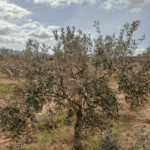
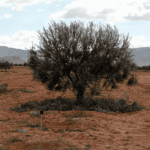
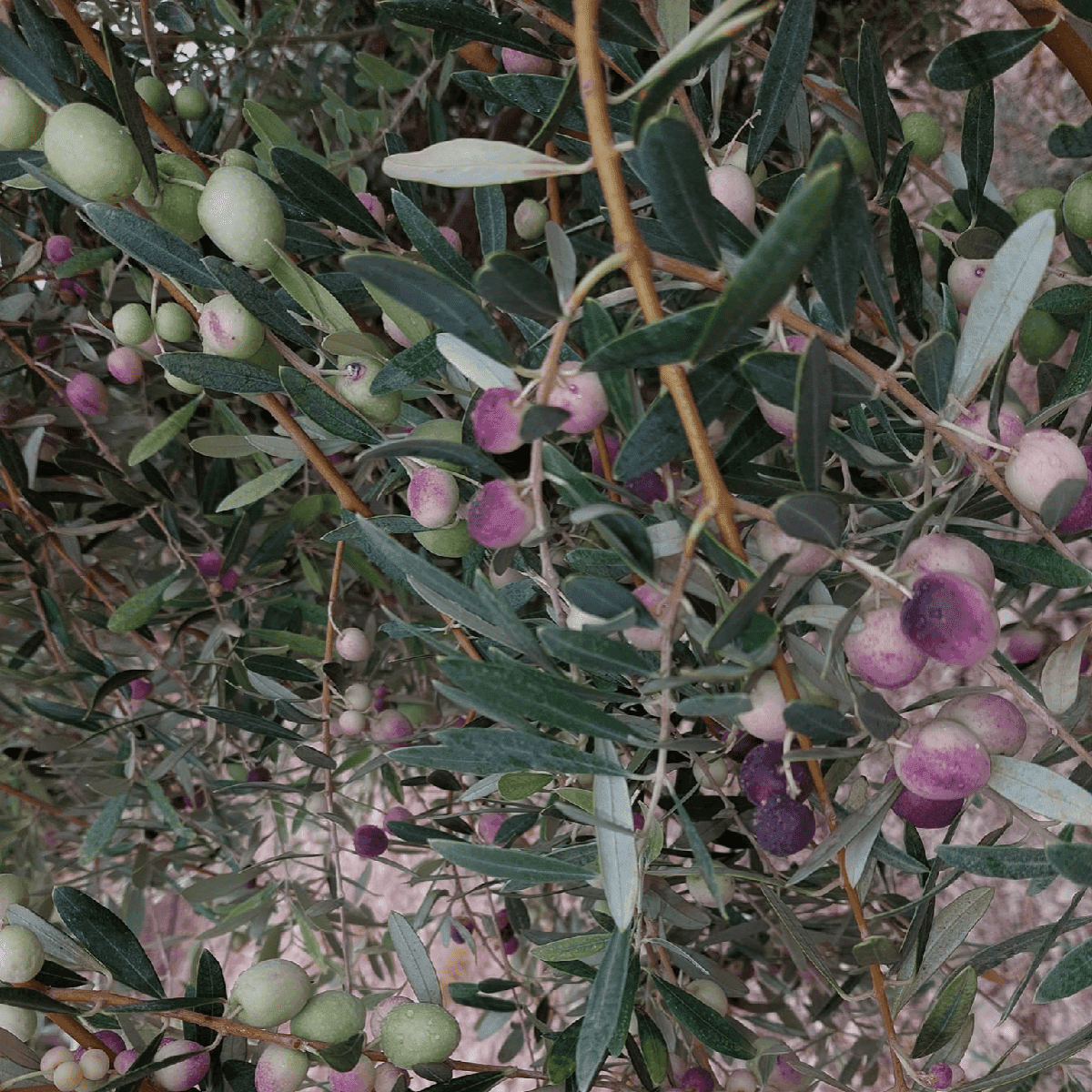
Palestinian olive oil was exported as far back as Roman times, and the tradition has survived empires, wars, and upheaval. Today, around 12 million olive trees blanket the West Bank, and some individual trees are 2,000 years old living, fruit-bearing witnesses to history.
Cultural Significance: More Than Just a Crop
If you think olive oil is just for salads, think again. In Palestine, the olive tree stands for identity, steadfastness (sumud), and hope. It’s woven into poetry, art, and everyday rituals. Each autumn, the olive harvest brings families together for weeks of hand-picking, storytelling, and shared meals under the trees. The olive branch, a universal symbol of peace, is quite literally rooted in Palestinian soil and soul.
Olive oil is “liquid gold” here not just for its taste, but for its role in sustaining nearly 100,000 families and representing a quarter of Palestine’s agricultural income. To lose a tree is to lose a piece of family history.
Varieties of Palestinian Olives: Nabali, Souri, Rumi & More
Palestinian olive oil’s legendary flavor starts with its unique olive varieties. Let’s break down the stars of the show:
Nabali
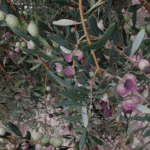
The Nabali olive is the classic oval, fleshy, and packed with oil (28-33% content!). It’s soft, with a mild bitterness and a fruity aroma. Farmers love it for its adaptability and deep roots, and it’s the backbone of much of Palestine’s extra virgin olive oil.
Souri
Souri olives are smaller and punchier, with a robust, peppery flavor and high polyphenol content. These are the olives that give Palestinian oil its signature zing and health benefits. If you like your olive oil with a little attitude, Souri is your friend.
Rumi
Rumi trees are the ancient giants some are literally thousands of years old. Their olives are less common but prized for their unique, complex flavors and historical significance. Oil from Rumi olives is considered especially rich and aromatic.
Insider Tip
Most Palestinian olive oils are blends, but if you find a single-varietal oil (especially Souri or Rumi), grab it! It’s like finding a rare vintage wine.
Traditional Harvest and Production Methods
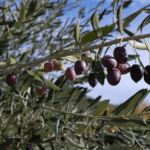
Ever picked olives by hand with your whole family? In Palestine, it’s an annual rite. The harvest kicks off in October, after the first rains, and runs through November. Families sometimes three generations strong rise before dawn, lay tarps under the trees, and gently comb olives from the branches by hand or with simple wooden sticks. Ladders, laughter, and shared meals abound.
The olives are sorted, cleaned, and rushed to local presses (often within 24 hours) for cold extraction. This preserves the oil’s delicate flavors and powerful nutrients. No chemicals, no shortcuts just tradition, patience, and a dash of rain-soaked magic.
Za’atar and the Harvest
Here’s a secret: During harvest, Palestinians snack on fresh bread dipped in olive oil and za’atar a tangy, earthy blend of wild thyme, sumac, sesame, and salt. It’s the taste of home, and every family swears their za’atar is the best.
Taste, Quality, and International Recognition
Palestinian olive oil is famous for its vibrant green-gold color, grassy aroma, and a flavor that balances fruitiness, bitterness, and a peppery finish. The best oils are cold-pressed, unfiltered, and made from hand-picked, rain-fed olives.
International Awards and Certifications
Palestinian olive oil doesn’t just talk the talk—it wins awards. Brands like Mount of Green Olive have taken silver at the Domina International Olive Oil Contest, and others have medaled at the prestigious NYIOOC World Olive Oil Competition. Many producers are certified organic and fair trade, meeting strict international standards for purity, sustainability, and ethical sourcing.
Health Benefits and Nutritional Power
Let’s get nerdy for a second Palestinian olive oil is a nutritional powerhouse. It’s loaded with monounsaturated fats (the “good” kind), vitamin E, and a cocktail of antioxidants and polyphenols that help fight inflammation, lower cholesterol, and protect your heart.
Why does it taste peppery? That’s the polyphenols at work especially oleocanthal and hydroxytyrosol, which have been linked to reduced risk of stroke, heart attack, and even some cancers. Early-harvest, extra virgin oils (like those from Souri olives) are especially high in these healthy compounds.
Palestinian Olive Oil in the Kitchen: Recipes & Tips
If you’ve never tried Palestinian olive oil on warm taboon bread with za’atar, you’re missing out. But that’s just the beginning. Here are some classic ways Palestinians use their liquid gold:
- Msakhan: Flatbread topped with caramelized onions, sumac, and chicken, all drenched in olive oil.
- Zaatar Flatbread (Mana’eesh): Dough brushed with oil and za’atar, then baked until golden.
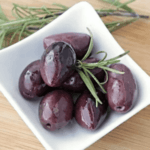
- Labneh and Olives on Toast: Creamy strained yogurt, sliced olives, and a generous pour of oil—breakfast of champions.
- Khobeizeh: Wild mallow sautéed with garlic and olive oil—a springtime favorite.
- Makdous: Baby eggplants stuffed with walnuts and garlic, preserved in olive oil.
For a quick snack, just dip fresh bread in oil and za’atar no recipe required!
Cooking Tip
Use extra virgin Palestinian olive oil raw for dipping, drizzling, and finishing dishes. For frying or roasting, use regular (not extra virgin) oil to preserve those delicate flavors and nutrients.
Challenges Facing Palestinian Olive Farmers
Behind every bottle of Palestinian olive oil is a story of resilience. Farmers face land loss, restricted access, and violence due to settlement expansion and occupation. Many are cut off from their groves by fences and checkpoints; some face harassment or even attacks during harvest season. Thousands of olive trees have been uprooted, threatening both livelihoods and heritage.
Yet, Palestinians persist replanting trees, forming cooperatives, and finding new ways to bring their oil to the world. When you buy authentic Palestinian olive oil, you’re supporting families and a culture that refuses to give up.
How (and Where) to Buy Authentic, Fair Trade Palestinian Olive Oil
Want to taste the real thing and support Palestinian farmers? Look for fair trade, direct-import brands. Here’s where to start:
- Zatoun (North America): Fair trade, organic, and deeply connected to Palestinian communities.
- Watany (USA & Canada): Directly imports from Palestinian farmers, offers unfiltered, extra virgin oil.
- Palestine Olive Oil Shop (Global): Ships fresh, seasonal oil from family farms in Ramallah.
Check for certifications like organic, fair trade, or international awards for extra peace of mind. And remember, the freshest oil is usually harvested between October and December so stock up after the new season drops.
FAQ: Everything You’ve Ever Wondered About Palestinian Olives and Olive Oil
What makes Palestinian olive oil different from other olive oils?
It’s all about the ancient trees, unique olive varieties (like Nabali and Souri), traditional hand-picking, and cold-pressing methods. The result? Bold flavor, high polyphenols, and a deep cultural story.
Is Palestinian olive oil healthier than other oils?
Extra virgin Palestinian olive oil is rich in healthy fats, antioxidants, and anti-inflammatory compounds. It’s a staple of the Mediterranean diet for good reason.
Can I cook with Palestinian olive oil?
Absolutely! Use extra virgin oil for dips, salads, and finishing dishes. For high-heat cooking, use regular olive oil to preserve flavor and nutrients.
How do I know I’m buying real, fair trade Palestinian olive oil?
Look for brands that work directly with Palestinian farmers, display fair trade or organic certifications, and share harvest details on their labels.
What’s the best way to enjoy Palestinian olive oil?
The classic: fresh bread, a dish of oil, and za’atar. Or try it on labneh, in salads, or as a finishing touch on roasted veggies.
Why is the olive harvest so important in Palestine?
It’s a time of unity, tradition, and survival. The harvest sustains families, preserves heritage, and is a powerful act of resilience against adversity.